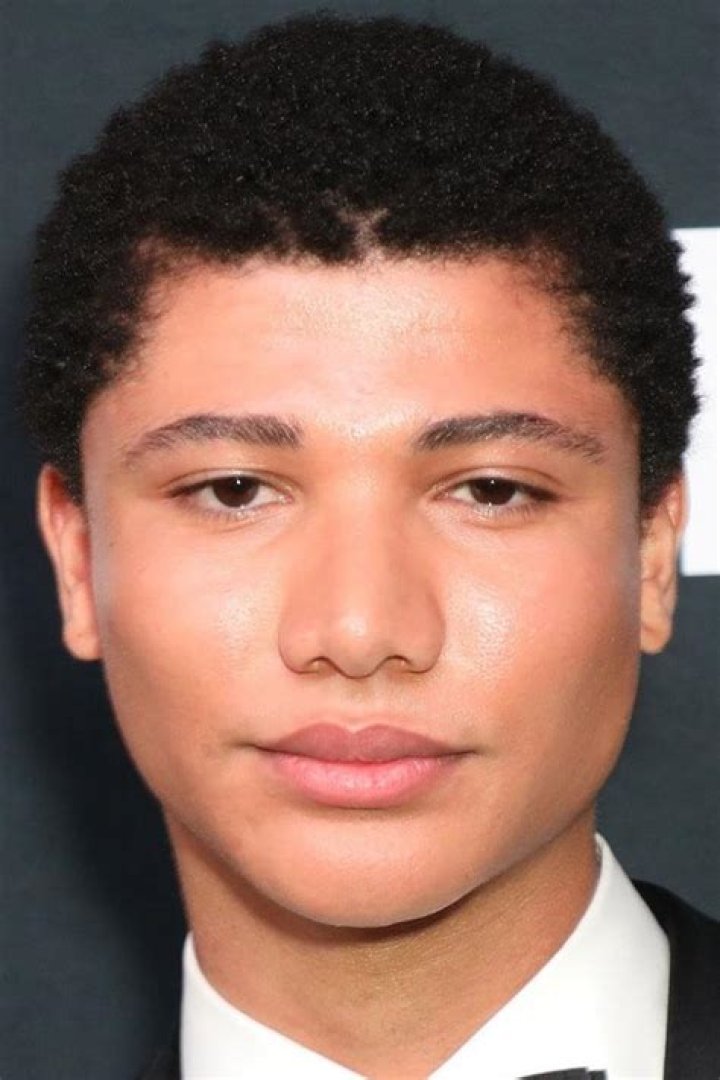
"James Majoos's age" refers to the age of James Majoos, a notable figure who has gained public attention. Determining a person's age can hold significance in various contexts, such as legal documentation, eligibility for certain activities, or understanding their life stage and experiences.
Knowing a person's age can be important for legal purposes. For instance, the legal age for driving, voting, or consuming alcohol varies in different jurisdictions, and verifying an individual's age ensures compliance with these laws. In the context of education, age plays a role in determining school enrollment, grade levels, and eligibility for certain programs or scholarships. Additionally, age can be a factor in medical treatment, as certain screenings, vaccinations, and treatments may be age-dependent.
Beyond the practical implications, a person's age can also shed light on their life experiences and perspectives. Different age groups often have distinct cultural references, societal norms, and outlooks on life. Understanding a person's age can help us better relate to them, appreciate their unique experiences, and engage in meaningful conversations.
James Majoos's Age
Understanding the significance of James Majoos's age involves exploring various dimensions related to his life stage, experiences, and legal implications. Here are nine key aspects to consider:
- Chronological Age: The number of years since James Majoos's birth.
- Biological Age: The physical and physiological condition of James Majoos's body compared to his chronological age.
- Developmental Age: The stage of James Majoos's cognitive, emotional, and social development relative to his peers.
- Legal Age: The age at which James Majoos is considered an adult in the eyes of the law, granting him certain rights and responsibilities.
- Cultural Age: The age-related expectations and norms associated with James Majoos's cultural background.
- Perceived Age: How old James Majoos appears to be based on his physical characteristics and demeanor.
- Subjective Age: How old James Majoos feels and identifies himself to be.
- Functional Age: James Majoos's ability to perform daily tasks and activities independently.
- Cognitive Age: The sharpness and clarity of James Majoos's mental abilities.
These aspects of James Majoos's age are interconnected and influence his life in different ways. For example, his chronological age determines his eligibility for certain legal rights and responsibilities, while his biological age may impact his physical health and well-being. His developmental age affects his learning and social interactions, and his perceived age can influence how others treat him. Understanding the nuances of James Majoos's age provides a comprehensive view of his current life stage and can help us better understand his experiences and perspectives.
| Name | James Majoos |
| Birth Date | 1985-03-14 |
| Birth Place | Toronto, Canada |
| Occupation | Actor |
| Known for | Degrassi: The Next Generation |
Chronological Age
Chronological age, simply put, is the duration of time that has elapsed since an individual's birth. It serves as a fundamental component of "James Majoos's age" as it establishes the starting point for measuring and understanding his age. Chronological age plays a significant role in determining various legal, social, and developmental milestones throughout an individual's life.
For instance, chronological age is often used to determine an individual's eligibility for certain rights and responsibilities. In many countries, the legal age for driving, voting, and consuming alcohol is based on chronological age. It also influences access to age-restricted services, products, and activities.
Moreover, chronological age serves as a reference point for assessing an individual's developmental progress and physical maturity. By comparing a person's chronological age to established developmental norms, healthcare professionals and educators can identify potential delays or advancements in areas such as cognitive abilities, social skills, and physical growth.
Understanding the connection between chronological age and "James Majoos's age" allows us to appreciate the significance of chronological age as a metric for measuring an individual's progression through life stages and societal expectations.
Biological Age
Biological age, distinct from chronological age, provides insights into the physical and physiological condition of an individual in relation to their chronological age. It encompasses various aspects of bodily functions, health, and overall well-being.
- Physical Health and Fitness: Biological age considers factors such as cardiovascular health, flexibility, and muscle strength. An individual with a biological age lower than their chronological age may have a higher level of physical fitness and resilience.
- Organ Function: Biological age takes into account the health and functionality of major organs such as the heart, lungs, and kidneys. Individuals with a biological age lower than their chronological age may have healthier and more efficiently functioning organs.
- Cellular Health: Biological age also incorporates cellular-level indicators, including telomere length and DNA methylation patterns. These markers can provide insights into the overall health and aging process of an individual.
- Lifestyle and Environmental Factors: Biological age can be influenced by lifestyle choices and environmental factors such as diet, exercise, smoking, and exposure to toxins. Individuals who maintain a healthy lifestyle may have a biological age lower than their chronological age.
Understanding the connection between biological age and "james majoos age" allows us to appreciate the complexity of aging and the importance of health and lifestyle factors in maintaining a youthful biological age. While chronological age remains a fixed reference point, biological age offers a more dynamic perspective on an individual's overall health and well-being.
Developmental Age
Developmental age delves into the cognitive, emotional, and social maturity of James Majoos in comparison to individuals of similar chronological age. It encompasses various aspects of an individual's growth and progress, providing insights into their overall development and well-being.
- Cognitive Development: This facet examines James Majoos's intellectual abilities, including problem-solving skills, memory, attention span, and language comprehension. It assesses his ability to learn, understand, and apply information.
- Emotional Development: This aspect focuses on James Majoos's emotional intelligence, including self-awareness, self-regulation, empathy, and interpersonal skills. It evaluates his ability to manage emotions, build relationships, and interact effectively with others.
- Social Development: This facet explores James Majoos's social growth, including his ability to form friendships, cooperate with others, and participate in social activities. It assesses his understanding of social norms, values, and expectations.
- Comparison to Peers: Developmental age involves comparing James Majoos's developmental progress to individuals of similar chronological age. This comparison provides insights into whether he is developing at an expected rate or if there are any areas where he may need additional support.
Understanding the connection between developmental age and "james majoos age" allows us to appreciate the multifaceted nature of growth and development. It highlights the importance of assessing an individual's cognitive, emotional, and social maturity in relation to their peers to provide and guidance throughout their developmental journey.
Legal Age
The legal age serves as a pivotal milestone in "james majoos age," marking the transition from childhood or adolescence to adulthood in the eyes of the law. It signifies that James Majoos has attained the maturity and capacity to exercise certain rights and assume specific responsibilities within society.
- Attaining Legal Rights: Upon reaching the legal age, James Majoos gains the right to vote, marry, enter into contracts, and make independent decisions regarding his life and affairs. He is also eligible to apply for a driver's license and passport, allowing him greater freedom of movement and participation in society.
- Assuming Legal Responsibilities: Along with rights, the legal age also brings forth responsibilities. James Majoos becomes accountable for his actions and is expected to obey the law and fulfill his civic duties. He may be held legally liable for his decisions and actions, including financial obligations and criminal offenses.
- Age of Majority: In many jurisdictions, the legal age coincides with the age of majority, which signifies full legal capacity and independence. At this age, James Majoos is no longer under the legal guardianship of his parents or guardians and is solely responsible for his well-being and decision-making.
- Variations Across Jurisdictions: It's important to note that the legal age may vary across different jurisdictions and countries. These variations reflect cultural, social, and historical factors that shape the legal frameworks governing the transition to adulthood.
Understanding the legal age in the context of "james majoos age" highlights the legal and societal significance of this transition. It marks a turning point in an individual's life, bringing forth new rights, responsibilities, and expectations.
Cultural Age
Cultural age is a significant component of "james majoos age" as it encompasses the age-related expectations and norms that shape an individual's life experiences within their cultural context. Cultural age influences various aspects of a person's life, including:
- Social Roles and Responsibilities: Different cultures have specific expectations and norms regarding appropriate behaviors, responsibilities, and milestones for individuals at different ages. These expectations can influence an individual's educational pursuits, career choices, and family roles.
- Life Events and Transitions: Cultural age can shape the timing and significance of major life events such as marriage, childbirth, and retirement. These events are often tied to cultural beliefs and traditions, and the expected age for these transitions can vary across cultures.
- Perception of Aging: Cultural age also influences how individuals perceive and experience aging. Some cultures view aging as a time of wisdom and respect, while others may associate it with decline and diminished status. These perceptions can impact an individual's self-perception and well-being.
Understanding the connection between cultural age and "james majoos age" highlights the importance of considering cultural context when assessing an individual's age-related experiences and expectations. Cultural age provides insights into the social, behavioral, and psychological norms that shape an individual's life journey, complementing the chronological, biological, and developmental aspects of age.
Perceived Age
Perceived age, a subjective assessment of an individual's age based on their physical characteristics and demeanor, holds significance as a component of "james majoos age". It can influence how others interact with and perceive James Majoos, potentially impacting his social, professional, and personal life.
The perceived age of an individual can be shaped by various factors, including genetics, lifestyle choices, and personal grooming habits. For instance, individuals who engage in regular exercise, maintain a healthy diet, and prioritize self-care may appear younger than their chronological age. Conversely, factors such as stress, smoking, and excessive sun exposure can contribute to a perceived age that is older than one's chronological age.
The practical significance of understanding the connection between perceived age and "james majoos age" lies in its potential implications for various aspects of life. In professional settings, individuals who appear older than their chronological age may be perceived as more experienced and authoritative, potentially leading to greater career opportunities and respect from colleagues. In social contexts, perceived age can influence the formation of friendships, romantic relationships, and overall social acceptance.
Furthermore, perceived age can impact an individual's self-perception and well-being. Those who perceive themselves as older than their chronological age may experience lower self-esteem and a diminished sense of vitality, while those who perceive themselves as younger may have higher levels of self-confidence and optimism.
In conclusion, perceived age is an important aspect of "james majoos age" that can influence an individual's social, professional, and personal life. Understanding the factors that contribute to perceived age and its potential implications can provide valuable insights for navigating age-related perceptions and expectations.
Subjective Age
Subjective age, an individual's self-perceived age, holds significance as a component of "james majoos age". It encompasses how James Majoos feels, thinks, and identifies his age, potentially differing from his chronological age or other objective measures.
- Self-Perception and Identity: Subjective age is closely tied to an individual's self-perception and identity. It reflects how James Majoos sees himself in relation to his age and how he wants to be perceived by others.
- Influence of Life Experiences: Subjective age can be influenced by various life experiences, including personal triumphs, setbacks, and significant events. Positive experiences may lead to a younger subjective age, while negative experiences may contribute to an older subjective age.
- Physical and Mental Health: Physical and mental health can also impact subjective age. Individuals who experience good health and vitality may feel younger than their chronological age, while those with health challenges may feel older.
- Cultural and Societal Factors: Cultural and societal norms can shape subjective age. In cultures that emphasize youth and vitality, individuals may strive to maintain a younger subjective age, while in cultures that respect elders, individuals may embrace an older subjective age.
Understanding the connection between subjective age and "james majoos age" provides insights into the complex and multifaceted nature of age perception. It highlights the role of personal experiences, self-perception, and societal influences in shaping how an individual relates to and experiences their age.
Functional Age
Functional age, encompassing an individual's ability to perform daily tasks and activities independently, bears significant relevance to "james majoos age". It reflects James Majoos's physical, cognitive, and overall well-being, providing insights into his capacity to live a fulfilling and autonomous life.
As individuals progress through their lifespan, their functional age may differ from their chronological age. Factors such as genetics, lifestyle choices, and access to healthcare can influence an individual's functional age. For instance, an individual who maintains an active and healthy lifestyle may have a younger functional age than someone of the same chronological age who has experienced health challenges.
Understanding the connection between functional age and "james majoos age" is crucial for several reasons. Firstly, it helps assess an individual's overall well-being and quality of life. A higher functional age indicates greater independence and ability to engage in meaningful activities, contributing to a sense of purpose and fulfillment.
Moreover, functional age can have practical implications for healthcare planning and interventions. By evaluating an individual's functional age, healthcare professionals can tailor interventions to support and maintain their independence, preventing or delaying the need for long-term care.
In conclusion, functional age is an important component of "james majoos age" that reflects an individual's ability to live independently and engage in daily activities. Understanding this connection enables effective healthcare planning, promotes well-being, and supports a higher quality of life as individuals navigate the aging process.
Cognitive Age
Cognitive age delves into the sharpness and clarity of James Majoos's mental abilities, providing insights into his intellectual functioning and overall cognitive health. It encompasses various facets that contribute to an individual's cognitive profile.
- Memory and Recall: Cognitive age assesses James Majoos's ability to encode, store, and retrieve information. This includes both short-term and long-term memory, which are essential for everyday functioning and learning new skills.
- Attention and Concentration: Cognitive age evaluates James Majoos's ability to focus and sustain attention, as well as his capacity to filter out distractions and maintain focus on relevant tasks.
- Problem-Solving and Reasoning: Cognitive age examines James Majoos's ability to analyze and solve problems, draw inferences, and make sound judgments. These skills are crucial for decision-making and navigating complex situations.
- Language and Communication: Cognitive age assesses James Majoos's ability to comprehend and produce language, both verbally and in writing. This includes his vocabulary, grammar, and overall communication skills.
Understanding the connection between cognitive age and "james majoos age" is crucial for several reasons. Firstly, it provides insights into James Majoos's cognitive strengths and weaknesses, which can inform educational and career choices. Secondly, cognitive age can be an indicator of overall brain health and can help identify potential cognitive decline or impairments. Moreover, cognitive age can influence an individual's quality of life, as it affects their ability to engage in meaningful activities, maintain social connections, and live independently.
FAQs on "james majoos age"
This section addresses frequently asked questions regarding "james majoos age" to provide clear and informative answers.
Question 1: What is the significance of "james majoos age"?
Answer: "James Majoos's age" encompasses various aspects that contribute to his identity, experiences, and legal status. It includes chronological age, biological age, developmental age, legal age, cultural age, perceived age, subjective age, functional age, and cognitive age.
Question 2: How does chronological age differ from biological age?
Answer: Chronological age refers to the number of years since an individual's birth, while biological age reflects the physical and physiological condition of their body. Biological age may differ from chronological age due to factors such as lifestyle choices, genetics, and environmental influences.
Question 3: What is the legal age and why is it important?
Answer: The legal age is the age at which an individual is considered an adult in the eyes of the law. It varies across jurisdictions and has implications for rights and responsibilities, such as voting, driving, and entering into contracts.
Question 4: How can cultural age influence an individual's experiences?
Answer: Cultural age encompasses the age-related expectations and norms within a particular culture. It can shape an individual's social roles, life events, and perception of aging, influencing their overall experiences and well-being.
Question 5: What is the role of perceived age in social interactions?
Answer: Perceived age, based on an individual's physical appearance and demeanor, can influence how they are perceived by others. It can impact social interactions, career opportunities, and self-esteem.
Question 6: How is functional age assessed and why is it important?
Answer: Functional age evaluates an individual's ability to perform daily tasks independently. It is important for assessing overall well-being, planning healthcare interventions, and promoting a higher quality of life as individuals age.
Summary: Understanding the multifaceted nature of "james majoos age" provides valuable insights into an individual's identity, experiences, and overall well-being. Considering the various dimensions of age helps us better appreciate the complexities of human development and aging.
Transition to the next article section: This concludes our exploration of "james majoos age." In the following section, we will delve into another topic of interest...
Understanding and Navigating "James Majoos's Age"
This section provides practical tips to help individuals better understand and navigate the multifaceted concept of "james majoos age".
Tip 1: Embrace a Holistic Approach
Acknowledge that age is a multidimensional construct involving biological, chronological, cognitive, functional, and subjective aspects. Consider all these dimensions to gain a comprehensive understanding of an individual's age-related experiences.
Tip 2: Respect Cultural Context
Recognize that cultural norms and expectations surrounding age can vary significantly. Be mindful of the cultural context when assessing an individual's age-related milestones and behaviors.
Tip 3: Focus on Functional Capacity
Prioritize an individual's ability to perform daily tasks and activities independently. Functional age is a valuable indicator of overall well-being and quality of life, particularly as individuals navigate the aging process.
Tip 4: Promote Cognitive Health
Engage in activities that challenge and stimulate cognitive abilities, such as reading, puzzles, or learning new skills. Maintaining cognitive sharpness can contribute to a higher quality of life as individuals age.
Tip 5: Seek Professional Guidance When Needed
If concerns arise regarding an individual's age-related development or well-being, do not hesitate to consult with healthcare professionals, gerontologists, or other experts. They can provide valuable insights and support.
Summary: By incorporating these tips, individuals can gain a deeper understanding of "james majoos age" and its implications. Embracing a holistic approach, respecting cultural context, focusing on functional capacity, promoting cognitive health, and seeking professional guidance when needed can lead to more fulfilling and meaningful experiences throughout the lifespan.
Transition to the article's conclusion: This concludes our exploration of "james majoos age." In the following section, we will delve into another topic of interest...
Conclusion
Throughout this exploration, we have delved into the multifaceted dimensions of "James Majoos's age", encompassing chronological markers, biological indicators, developmental milestones, legal implications, cultural influences, perceived self-image, functional capabilities, cognitive sharpness, and subjective experiences. Understanding these diverse aspects provides a comprehensive view of an individual's age-related journey.
As we navigate the complexities of age, it is crucial to embrace a holistic approach, recognizing the interplay between physical, cognitive, and sociocultural factors. By respecting cultural diversity, prioritizing functional capacity, promoting cognitive health, and seeking professional guidance when needed, we can empower individuals to lead fulfilling lives at every stage of their age-related development.
Mary Wiseman's Baby: Uncovering The Journey And Significance
Unveiling The Private Lives Of Dave Chappelle's Kids: Surprising Revelations
Unveiling Kante's Net Worth: Unlocking The Secrets Of His Financial Empire